 Call for Appointment
 Jubilee Hills, Hyderabad, Telangana 500033
 Opening Hours: 9.00 am - 06.00 pm (Mon - Sat)
Measles
Home » Specialties » Viral Infections » Measles
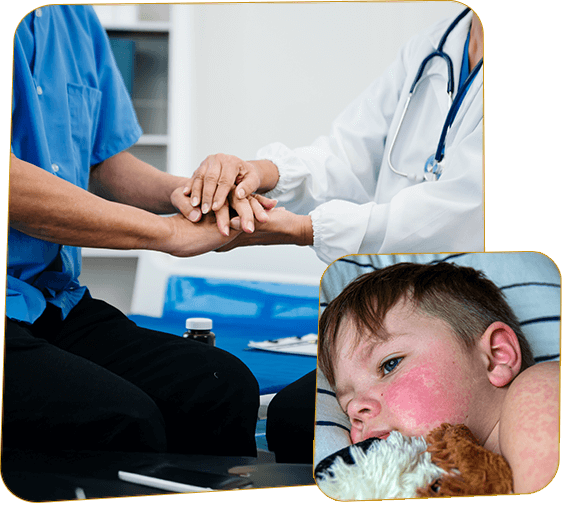
Measles: Recognize, Treat, and Prevent with SSRC Health
Sometimes a fever feels like just another seasonal bug—until it isn’t. Many patients describe how symptoms started mildly at first, only to be followed by red eyes, a spreading rash, and exhaustion that felt unlike anything they’d experienced. At SSRC Health, we help patients recognize these early signs quickly and receive timely care that prevents complications. Measles is a highly contagious viral illness, but with the right medical support, monitoring, and guidance, recovery can be smooth and safe.
What Is Measles?
Measles is a fast-spreading viral infection caused by the measles (rubeola) virus. It spreads easily through coughing, sneezing, and close contact, making unvaccinated individuals—especially children—more vulnerable. While most people recover, measles can sometimes lead to complications like pneumonia, ear infections, or dehydration, which is why early evaluation is essential.
Symptoms & When to Seek Care
Measles symptoms typically appear in stages. Watch for:
- Flu-like symptoms: fever, headache, body aches, fatigue
- Respiratory symptoms: sore throat, cough, sneezing, shortness of breath
- Digestive symptoms: nausea, vomiting, diarrhea
- Skin conditions: rashes, blisters, sores, warts
Seek medical care immediately if you notice difficulty breathing, dehydration, extreme weakness, or if symptoms worsen rapidly.


Take the First Step Toward Recovery
Schedule a consultation with our specialists today and start your journey to better health.
How We Diagnose Measles
At SSRC Health, our infectious disease specialists identify measles through:
- Detailed clinical examination
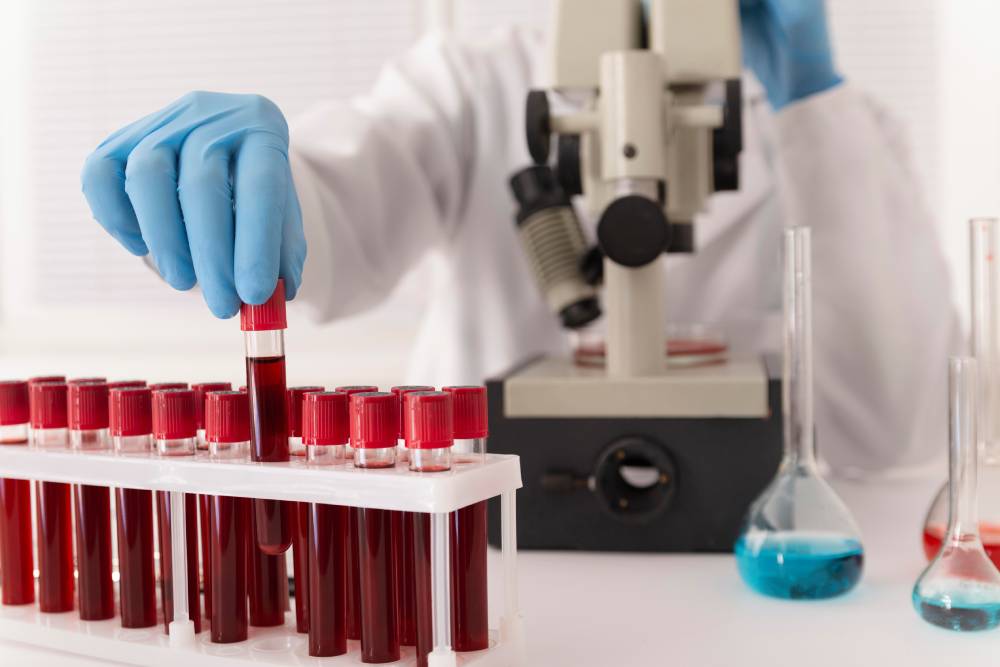
- Blood tests to confirm measles antibodies
- Monitoring for dehydration, pneumonia, or other complications
We provide a precise diagnosis and a supportive care plan tailored to each patient’s condition.
Treatment & Care at SSRC Health
There’s no specific antiviral medication for measles, but timely supportive care makes a significant difference. At SSRC, we help patients with:
- Fever control and hydration support
- Nutritional guidance during recovery
- Treatment of complications such as ear infections or pneumonia
- Close monitoring for high-risk groups like young children, pregnant women, and individuals with weak immunity
Our team ensures that patients recover safely with proper follow-up and symptom management.
Why Choose SSRC Health for Measles Care
- Experienced infectious disease specialists
- Child-friendly environment for comfortable evaluation
- On-site diagnostics for quick confirmation
- Customized care plans and thorough monitoring
- Preventive guidance for families and caregivers
Our team combines expertise with compassionate care to ensure complete support during recovery.
Frequently Asked Questions (FAQs)
A person is contagious from about four days before the rash appears until four days after.
Yes. Adults who are unvaccinated or have weakened immunity are still at risk.
If you notice a high fever, red eyes, cough, or a spreading rash—seek medical care immediately.
There is no direct antiviral cure, but supportive medical care helps prevent complications and ensures recovery.
The rash usually appears 3–5 days after the first symptoms.

