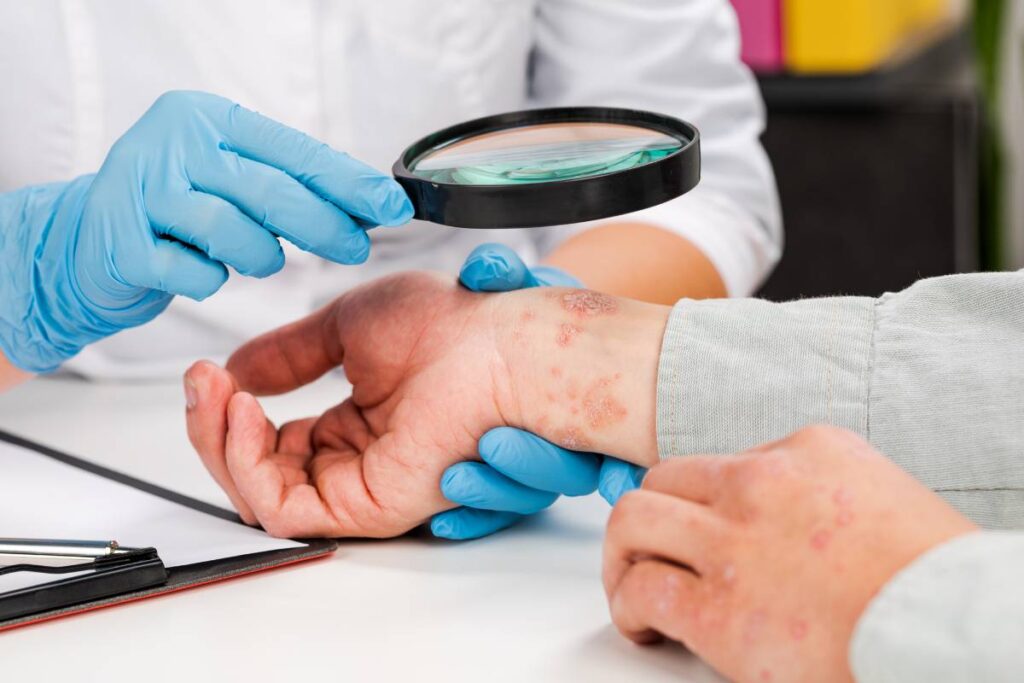
Fungal Infections

Understanding Fungal Infections

Introduction: Understanding Fungal Infections

It often begins quietly — a small itch between the toes, a patch of redness that won’t go away, or a nail losing its shine. Most people ignore it at first, until the discomfort grows stronger or the infection starts to spread. Fungal infections are common, persistent, and sometimes embarrassing, but with the right care, they are completely manageable.

At SSRC Health, our specialists help you identify the root cause quickly and treat it with precision. Whether it’s a mild skin infection or a deeper, recurring problem, we offer clear diagnosis, targeted treatment, and preventive guidance so you can regain comfort and confidence.

Conditions Addressed

Common Viral Infections We Treat

At SSRC Health, our specialists manage a wide range of viral infections across all age groups.
Influenza (Seasonal Flu)
Seasonal flu can cause fever, body aches, fatigue, and respiratory complications. Our care includes rapid flu testing, antiviral medications, and vaccination programs to prevent outbreaks.
HIV/AIDS
We provide long-term care for patients living with HIV, including antiretroviral therapy (ART), immune system monitoring, and comprehensive support programs to improve quality of life.
COVID-19
Our team treats acute COVID-19 cases and helps patients recover from long-COVID symptoms through rehabilitation programs and immune support strategies.
Hepatitis A, B, C, D
Hepatitis viruses can cause chronic liver disease and other serious complications. At SSRC Health, we offer diagnosis, antiviral therapy, liver function monitoring, and lifestyle counseling to manage both acute and chronic hepatitis.
Measles
Measles can affect children and adults and may lead to complications if untreated. We provide vaccinations, timely diagnosis, and management of measles-related symptoms.

 

Symptoms & When to Seek Care

Viral infections can manifest in many ways, depending on the virus and the part of the body affected. Common symptoms include:
Red flags to watch for:
Symptoms & When to Seek Care

Get timely, expert support

If you notice persistent fever, worsening symptoms, or sudden changes in health, consult our team at SSRC Health immediately.

Our Approach to Treatment

At SSRC Health, we follow a comprehensive and patient-centered approach to viral infections:

Accurate Diagnosis

We use blood tests, viral load assessments, PCR testing, and imaging when necessary to pinpoint the infection and evaluate its impact.

Medical Management

Treatment includes antiviral medications, immune support, and symptomatic relief. For serious or chronic infections, our team develops personalized care plans.

Preventive Care

We emphasize vaccinations for flu, hepatitis, measles, COVID-19, and more, alongside lifestyle counseling to prevent infection or reinfection.

Holistic Support

Our integrative approach includes nutrition guidance, mental health support, and family counseling to address the broader impact of viral illness.

Long-term Care Plans

For chronic viral infections like HIV or hepatitis, we provide ongoing monitoring, medication management, and follow-up care to maintain your health over the long term.

Why Choose SSRC Health for Viral Infections

Frequently Asked Questions (FAQs)

Viral and bacterial infections can have similar symptoms like fever, cough, or fatigue. The only way to be sure is through a medical assessment, which may include lab tests, swabs, or blood work. At SSRC Health, our specialists diagnose infections accurately so you receive the right treatment.
No. Antibiotics only work against bacteria, not viruses. Viral infections are managed with antiviral medications, symptom relief, preventive vaccines, and supportive care depending on the virus.
Recovery depends on the type of virus and your overall health. Mild infections, like the flu or common cold, usually last a few days to two weeks. Chronic infections like HIV or hepatitis require long-term management. Our team at SSRC Health will guide you through every step of recovery.
Yes. Most viral infections can spread from person to person through airborne droplets, close contact, contaminated surfaces, or sexual contact. Practicing hygiene, vaccination, and safe behaviors can significantly reduce your risk.
Prevention includes vaccinations, hand hygiene, safe food practices, using protection during sexual activity, and avoiding exposure to infected individuals or animals. SSRC Health also provides post-exposure prophylaxis for certain viruses like HIV, rabies, or hepatitis B to prevent illness after potential exposure.
Scroll to Top