 Call for Appointment
 Jubilee Hills, Hyderabad, Telangana 500033
 Opening Hours: 9.00 am - 06.00 pm (Mon - Sat)
Malaria
Home » Specialties » Parasitic Infections » Malaria

What Is Malaria?
Malaria is a parasitic infection caused by Plasmodium species and spread through the bite of infected female Anopheles mosquitoes. It affects red blood cells and can range from mild to life-threatening if not treated in time.
There are several types—P. falciparum, P. vivax, P. malariae, P. ovale, and P. knowlesi—each with different severity levels. Early diagnosis and treatment allow patients to recover fully and prevent complications.
Symptoms of Malaria
Malaria symptoms may appear within days or weeks after exposure. Common signs include:
- Recurrent fever (often in cycles)
- Intense chills and sweating
- Severe fatigue or weakness
- Headache and body aches
- Nausea or vomiting
- Pale skin or jaundice
- Fast heartbeat
- Confusion or seizures
Causes & Transmission
Malaria spreads through:
- Bites from infected Anopheles mosquitoes
- Rarely through blood transfusion
- Shared contaminated needles
- Mother-to-child transmission during pregnancy
It does not spread through touch, sharing food, or close contact.
Risk is higher in tropical regions, rural areas, and during monsoon seasons.
How SSRC Diagnoses Malaria
Our specialists ensure accurate and rapid diagnosis through:
- Rapid Diagnostic Tests (RDTs) for quick screening
- Peripheral Blood Smear (gold standard for species identification)
- PCR testing for complex cases
- Blood tests to check liver, kidney function, and anemia severity
Early identification helps tailor the correct treatment plan.
Treatment Options at SSRC Health
Treatment at SSRC is fully personalized and may include:
- Antimalarial medications depending on Plasmodium species
- Intravenous medicines for severe malaria
- Fluid therapy to correct dehydration
- Fever control and supportive care
- Treatment of relapsing species, especially P. vivax
- Monitoring for organ involvement or complications
Our team ensures complete recovery and reduces the risk of relapse.
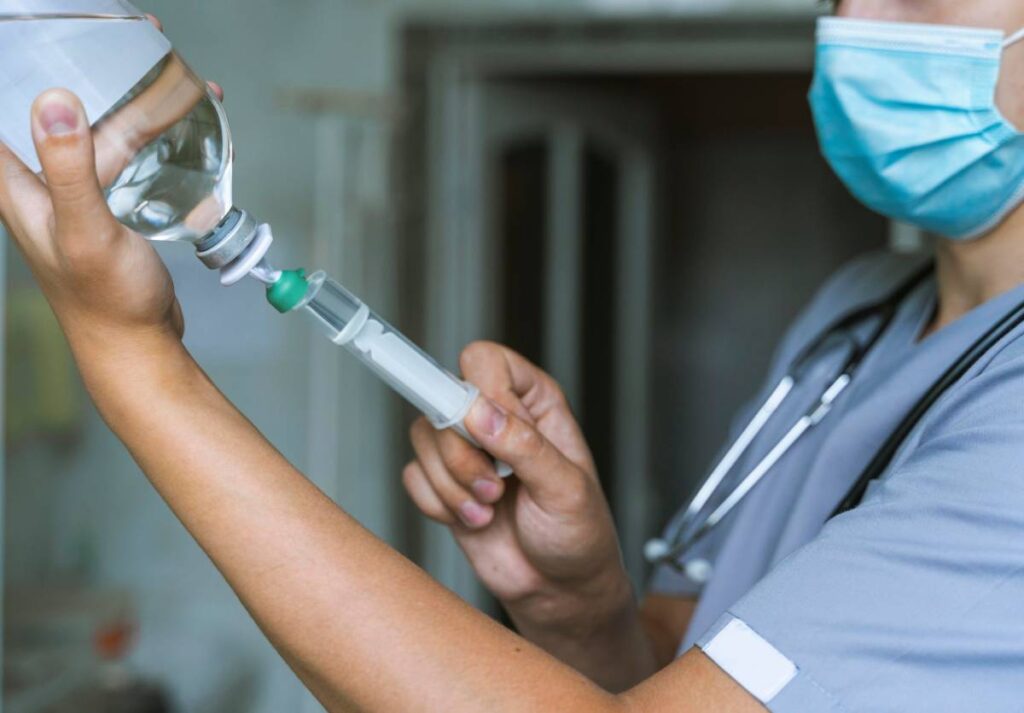
Supportive Care:
At SSRC Health, we help patients catch malaria early, treat it effectively, and prevent dangerous complications. With fast testing and experienced infectious disease specialists, you get the right care from the moment symptoms start.
Why Choose SSRC Health for Malaria Care?
- Skilled infectious disease specialists
- Fast, accurate diagnostic testing
- Evidence-based antimalarial treatments
- Expertise in severe and recurrent malaria
- Traveler counselling and prevention plans
- Patient-focused, comprehensive follow-up care
SSRC ensures safe, effective, and timely management for every malaria case.

Frequently Asked Questions (FAQs)
No. Malaria does not spread from person to person through touch or sharing food. It spreads only through mosquito bites or rarely through blood transmission.
Symptoms usually appear within 10–30 days but may be delayed depending on the species.
Yes. Certain species like P. vivax can cause relapse. SSRC provides complete treatment to prevent recurrence.
If you have fever, chills, or fatigue after travel—or live in a high-risk area—seek evaluation immediately.
Severe malaria can be dangerous, especially P. falciparum. Early treatment at SSRC prevents complications.
Diagnosis is through blood smear tests, rapid screening tests, or PCR testing.
Yes. With timely treatment, malaria is fully curable.

