Candidiasis
Home » Specialties » Fungal Infections » Candidiasis
What Is Candidiasis?
Candidiasis is an infection caused by Candida yeast, commonly Candida albicans. While this organism naturally lives on the skin and inside the body, it becomes a problem when it multiplies excessively. This leads to irritation, itching, redness, and in some cases, painful lesions. It can affect the mouth, skin folds, genital area, nails, and in rare cases, internal organs. Early diagnosis helps prevent recurrent flare-ups.
Types of Candidiasis We Treat at SSRC
At SSRC, our specialists diagnose and manage all forms of candidiasis, including:
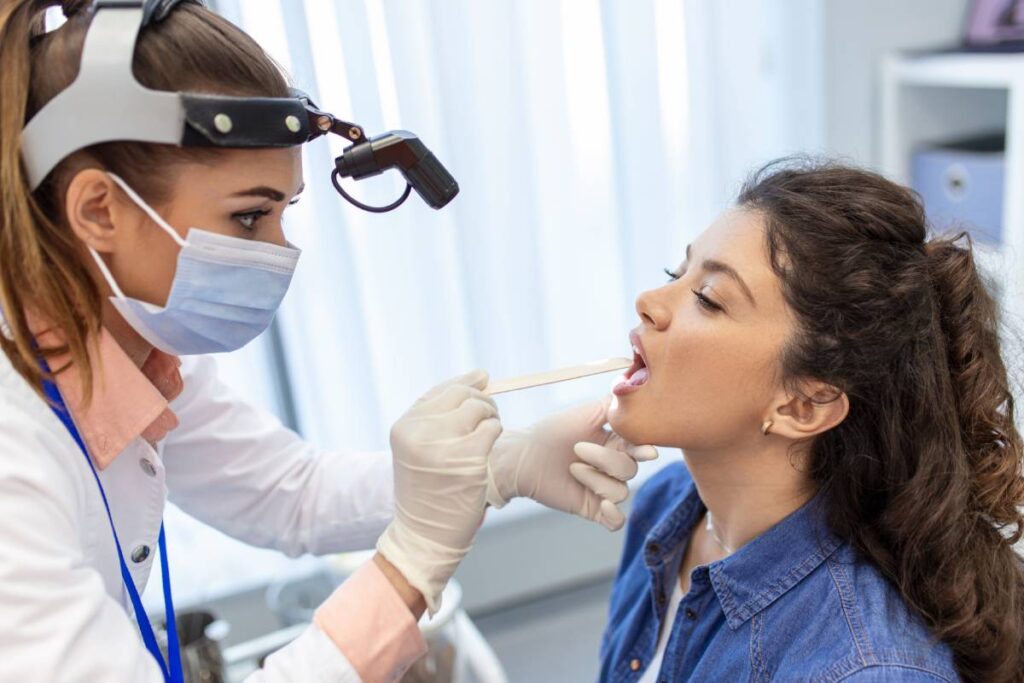
- Oral Thrush: White patches in the mouth, difficulty swallowing, and burning sensations.
- Vaginal Candidiasis: Intense itching, thick discharge, and discomfort during urination or intercourse.
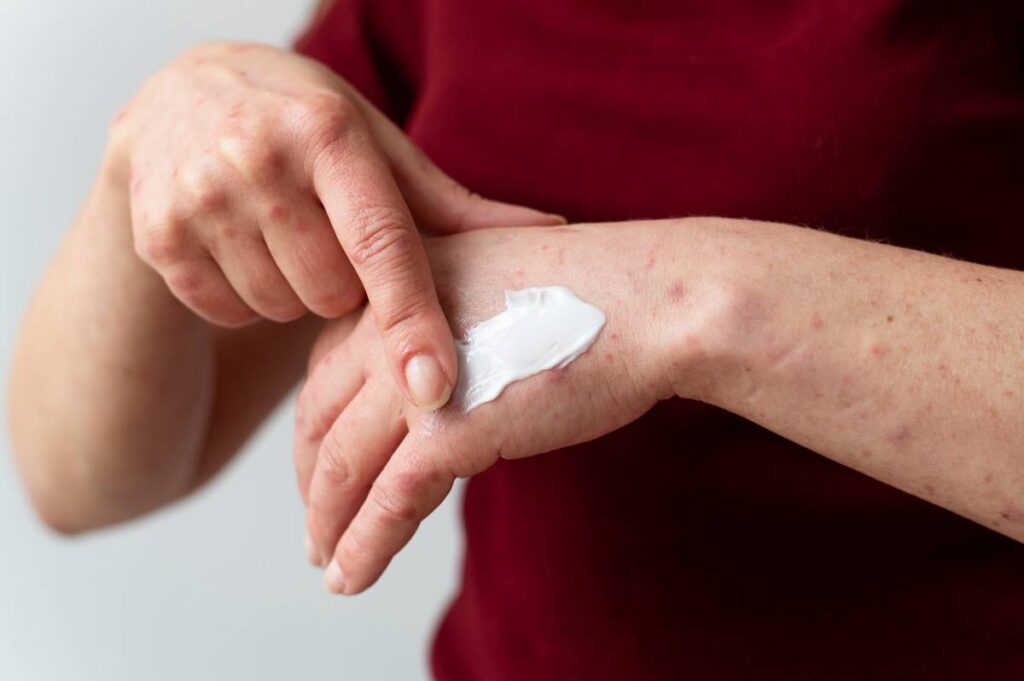
- Skin Fold Candidiasis: Rashes, redness, and maceration in areas like underarms, groin, breasts, or abdomen.
- Nail Candidiasis: Discolored, brittle, or thickened fingernails or toenails.
- Invasive Candidiasis: A rare but serious infection in the bloodstream—managed with advanced care protocols.
Common Symptoms:
-
- Persistent itching or burning
- Red, inflamed, or cracked skin
- White, creamy patches inside the mouth
- Thick, cottage-cheese-like discharge (in vaginal infection)
- Pain or discomfort during daily activities
- Nail discoloration or brittleness
- Foul odor in skin-fold infections
What Causes Candidiasis?
- Hot, humid climate
- Excess moisture or sweating
- Diabetes or high blood sugar
- Hormonal imbalance
- Prolonged antibiotic use
- Weak immunity
- Tight clothing or poor ventilation
Take the First Step Toward Recovery
At SSRC, we focus on restoring comfort, preventing recurrence, and ensuring patients get back to their daily lives quickly and confidently.
Treatment Options at SSRC
Your care plan is tailored to the severity and location of the infection:
- Topical antifungal creams or powders
- Oral antifungal medications
- Targeted treatment for recurrent infections
- Moisture-control strategies
- Blood sugar management support
- Lifestyle and hygiene recommendations
Our goal is to eliminate the infection completely and prevent frequent relapses.
Frequently Asked Questions (FAQs)
Candidiasis is usually not contagious. It results from yeast overgrowth inside the body rather than exposure to another person. However, in rare cases, vaginal candidiasis or oral thrush may pass between partners, especially if one person has an active infection and the other has reduced immunity.
Recurrent infections often occur due to underlying triggers such as uncontrolled diabetes, hormonal changes, excessive moisture, weakened immunity, or frequent antibiotic use. At SSRC, we identify root causes to reduce recurrence and build a long-term prevention plan.
Mild cases may improve temporarily, but most infections do not clear completely without treatment. Yeast tends to return, often more aggressively. Proper antifungal therapy and lifestyle correction ensure lasting relief.
Treatment duration varies depending on the infection site.
- Skin infections:a few days to two weeks
- Oral thrush:7–14 days
- Vaginal candidiasis:1–7 days, depending on severity
Yes. Keeping skin dry, wearing breathable clothing, controlling blood sugar, practicing good hygiene, and avoiding unnecessary antibiotics significantly reduce the risk. SSRC provides tailored prevention guidance for each patient.