 Call for Appointment
 Jubilee Hills, Hyderabad, Telangana 500033
 Opening Hours: 9.00 am - 06.00 pm (Mon - Sat)
Superficial Fungal Infections
Home » Specialties » Fungal Infections » Superficial Fungal Infections
Introduction
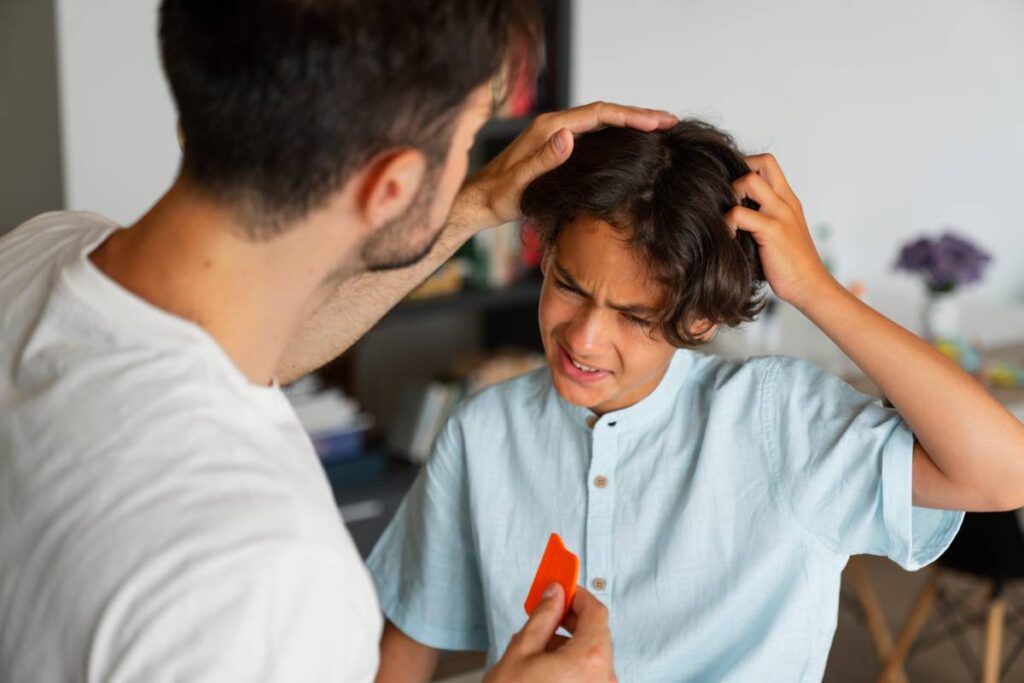
It often starts subtly—an itchy patch on the skin, a flaky scalp area, or a discolored nail that slowly spreads over weeks. Most people ignore these signs, assuming they will resolve on their own. But superficial fungal infections rarely go away without the right treatment. At SSRC Health Care, our dermatologists and infectious disease specialists step in early to prevent these everyday infections from becoming persistent, uncomfortable, or cosmetically troubling. These infections stay on the skin, hair, or nails, but they still need expert care for complete relief and recurrence prevention.
What Are Superficial Fungal Infections?
Superficial fungal infections affect the top layers of the skin, hair, and nails. Common examples include ringworm, tinea versicolor, fungal nail infections (onychomycosis), and scalp fungal infections. They are caused by fungi that thrive in warm, moist environments and easily spread through contact, clothing, shared items, or contaminated surfaces. While not dangerous, they can be stubborn, uncomfortable, and embarrassing without proper treatment.
Common Symptoms
Patients may experience:
Common Symptoms of Valley Fever
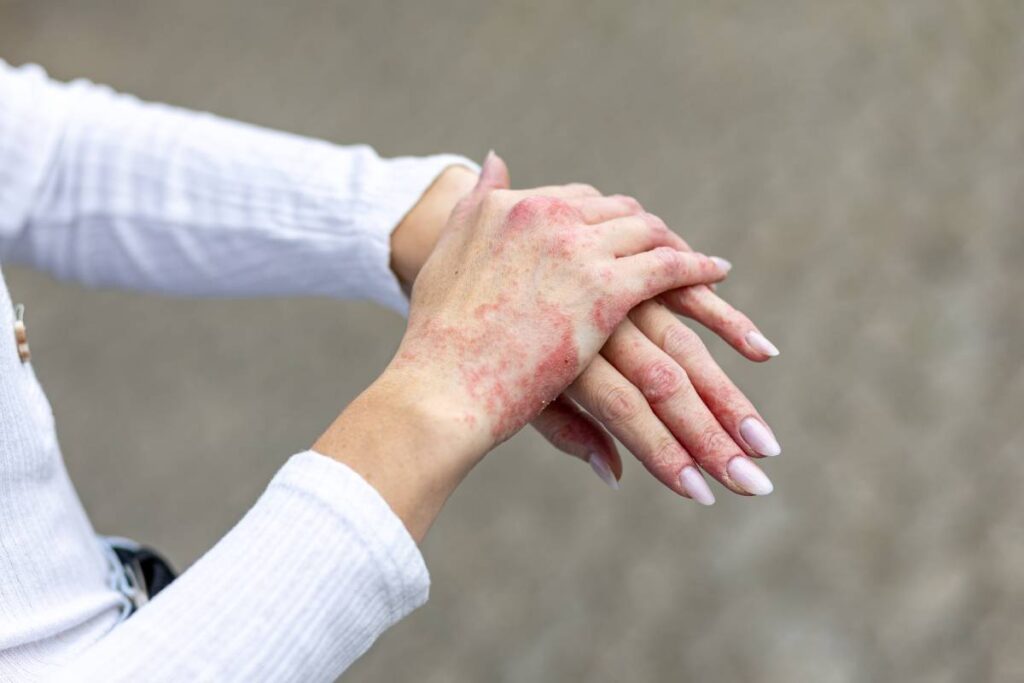
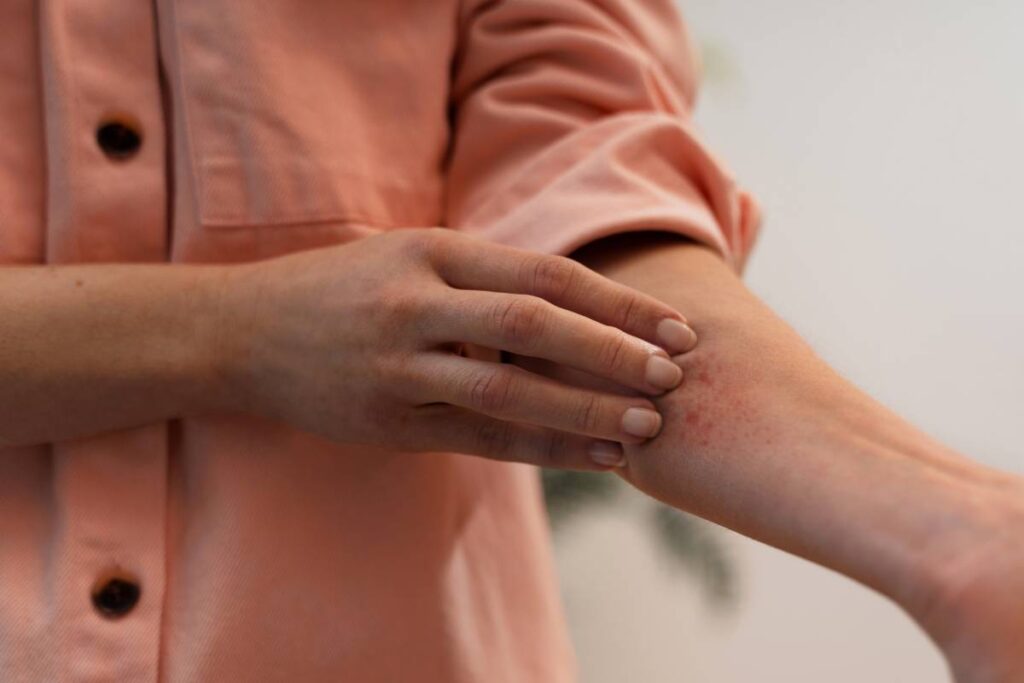
- Itching, redness, or mild burning on affected areas
- Circular or patchy rashes (often in ringworm)
- Dry, flaky, or discolored patches on the skin
- Thickened, brittle, or yellow nails
- Scalp scaling, dandruff-like flakes, or hair thinning
- Recurring symptoms despite using over-the-counter creams
How SSRC Diagnoses It
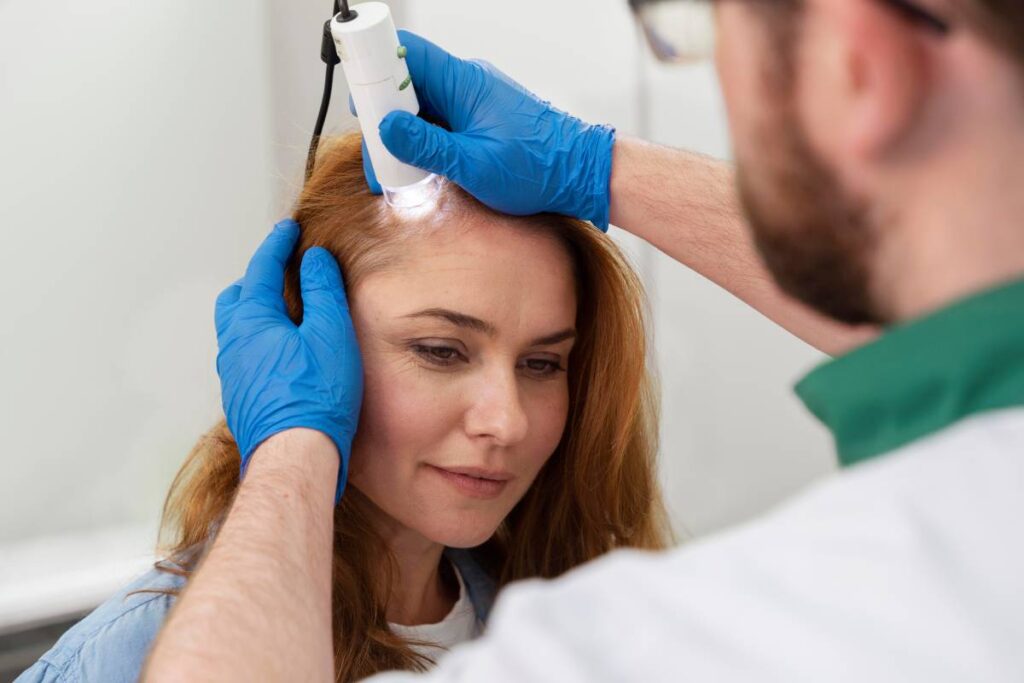
- Dermoscopic Examination for close visual assessment
- Wood’s Lamp Test for select scalp and skin infections
- Skin Scrapings / Nail Clippings for Microscopy
- Fungal Culture when a more definitive identification is needed
Treatment Options at SSRC
Topical Antifungal Medications
Oral Antifungals
Medicated Shampoos or Cleansers
Laser or Advanced Nail Therapies
Lifestyle & Hygiene Guidance
When to Seek Medical Help
- The infection keeps returning
- Symptoms worsen despite home treatment
- You have diabetes or low immunity
- Nails or scalp are involved
- The rash is spreading to other body parts
Why Choose SSRC Health Care
- Our doctors combine dermatology and infectious disease expertise
- We offer precise diagnosis rather than guess-based treatments
- Treatment plans are modern, evidence-based, and minimally invasive
- We focus heavily on recurrence prevention, not just symptom relief
- Our clinic environment is patient-friendly, discreet, and efficient

