 Call for Appointment
 Jubilee Hills, Hyderabad, Telangana 500033
 Opening Hours: 9.00 am - 06.00 pm (Mon - Sat)
Transplant Infections
Home » Specialties » Transplant Infections
What Are Transplant Infections?
After an organ or stem-cell transplant, the immune system cannot respond normally, increasing the risk of various infections. These may include viral infections, bacterial illnesses, parasitic conditions, and fungal diseases. Many of these infections are preventable or manageable when overseen by an experienced infectious disease team. Our goal at SSRC is to identify risks before symptoms appear, provide immediate care when infections develop, and support patients through long-term recovery.
How SSRC Helps You?
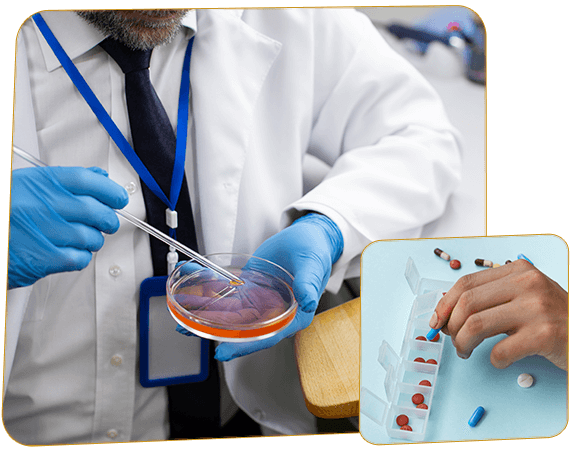
SSRC’s infectious disease specialists work closely with transplant surgeons, nephrologists, and intensive care teams to provide seamless, expert care. Our approach includes:
- Pre-transplant infection screening
- Customised prevention plans
- Advanced diagnostics and viral load monitoring
- Medication optimisation without compromising graft health
- Long-term follow-up for infection control
With physicians experienced in managing high-risk and complex post-transplant cases, SSRC ensures continuity, clarity, and clinical precision at every stage.
Common Infections After Transplant
Transplant patients may develop various infections depending on the type of transplant, level of immunosuppression, and exposure history. SSRC manages all major categories, including:
- Cytomegalovirus (CMV) Infection
- BK Virus Infection
- Bacterial Infections
- Parasitic Infections
- Fungal Infections (Aspergillosis, Candidiasis, Cryptococcosis)
- Tuberculosis & NTM Infections
- Infections Specific to Organ Transplants

Signs & Symptoms to Watch For
Transplant patients should immediately report new or unusual symptoms. Early detection saves graft function and prevents complications.
- Persistent or recurring fever
- Fatigue or malaise
- Cough, breathlessness, or chest discomfort
- Diarrhea, nausea, or abdominal pain
- Burning sensation while urinating
- Swelling or tenderness around the transplant site
- Sudden neurological symptoms (confusion, seizures)
- Unexplained weight loss
Diagnosis at SSRC
SSRC combines clinical expertise with advanced diagnostic technologies to ensure quick and accurate detection:
- PCR testing for viral infections
- Blood cultures and microbial identification
- High-resolution imaging (CT, MRI, targeted scans)
- Immune system and viral load monitoring
- Organ-specific infection assessment
Our diagnostic process allows us to detect infections even before major symptoms develop.
Protect Your Recovery After Transplant
At SSRC, our specialists step in early, ensuring that infections don’t become setbacks. With careful monitoring and expert intervention, we help transplant patients stay protected and continue healing with confidence.
Why Choose SSRC for Transplant Infection Care?
Specialists in managing complex infections deliver personalised treatment plans enhanced by cutting-edge diagnostics and seamless multidisciplinary collaboration.
- Precise evaluation and rapid intervention
- Compassionate and continuous follow-up
- Evidence-based, internationally aligned protocols
- Strong collaboration with transplant teams
We ensure every transplant recipient receives the safest, most reliable infection care.


Frequently Asked Questions (FAQs)
They can occur at any stage due to immunosuppression, but most are manageable with early care.
Yes—through screening, regular monitoring, vaccinations, and prophylactic medications.
Yes. Even mild symptoms may indicate early infection and should be evaluated immediately.
Your doctor will set a personalised schedule, but frequent monitoring is essential during the first year.

