 Call for Appointment
 Jubilee Hills, Hyderabad, Telangana 500033
 Opening Hours: 9.00 am - 06.00 pm (Mon - Sat)
Infectious diseases are illnesses caused by microorganisms such as bacteria, viruses, fungi, or parasites. These organisms can enter the body, multiply, and disrupt normal bodily functions, leading to various symptoms and health complications. Early diagnosis and proper treatment are essential to prevent infections from spreading and to protect long-term health.
SSRC Health Care provide specialized medical consultation and diagnostic services to identify infections accurately and help patients receive timely treatment.
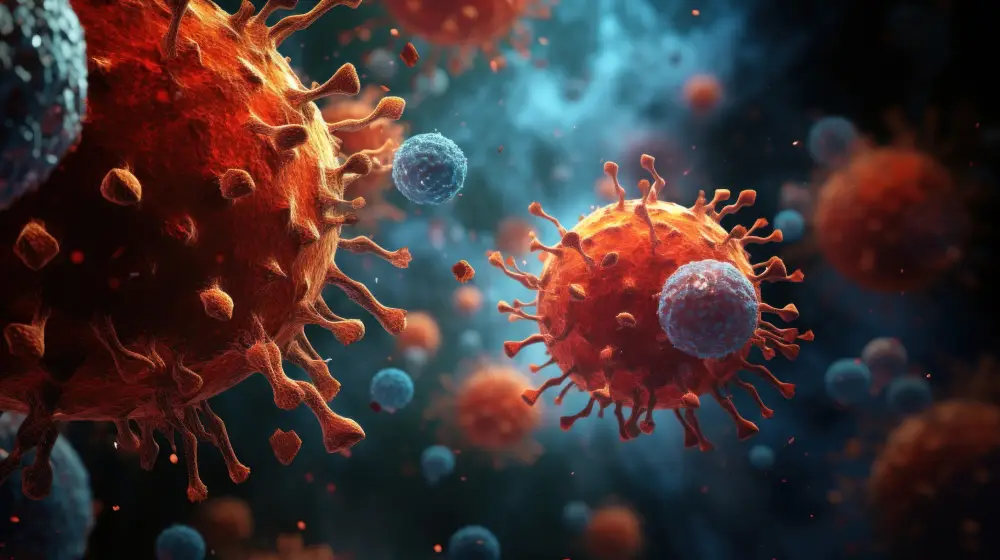
What Are Infectious Diseases?
Infectious diseases occur when harmful microorganisms invade the body and begin to multiply. These infections may affect different parts of the body such as the respiratory system, digestive system, skin, or bloodstream.
Some infections are mild and resolve quickly, while others can become severe if left untreated. Early detection and medical guidance are important for effective recovery.
Common Causes of Infectious Diseases
Different types of microorganisms can cause infectious diseases. Understanding the cause helps doctors choose the most appropriate treatment.
- Bacterial Infections: Bacteria can lead to illnesses such as tuberculosis, urinary tract infections, and certain respiratory infections.
- Viral Infections: Viruses cause conditions like influenza, viral fever, COVID-19, and other respiratory illnesses.
- Fungal Infections: Fungal infections often affect the skin, nails, or lungs, especially in people with weakened immune systems.
- Parasitic Infections: Parasites can spread through contaminated food, water, or insect bites and may affect the digestive system or blood.
Common Symptoms of Infectious Diseases
Symptoms can vary depending on the type of infection and the part of the body affected. However, some common warning signs include:
- Fever and chills
- Fatigue and weakness
- Persistent cough or sore throat
- Skin rashes or irritation
- Digestive issues such as nausea or diarrhea
- Body aches and headaches
If symptoms continue for several days or worsen over time, medical evaluation is recommended.
Why Early Diagnosis Is Important
Early diagnosis plays a crucial role in controlling infectious diseases. Proper testing helps identify the specific cause of infection so that doctors can provide targeted treatment.
Benefits of early diagnosis include:
- Faster and more effective treatment
- Reduced risk of complications
- Prevention of infection spread
- Better long-term health outcomes
Advanced healthcare centers use modern diagnostic tools and laboratory tests to detect infections accurately.
When Should You See a Doctor?
You should consider consulting a healthcare professional if you experience:
- Fever lasting more than a few days
- Persistent cough or breathing difficulty
- Severe fatigue or body pain
- Recurrent infections
- Symptoms that do not improve with basic medication
Medical specialists can evaluate your symptoms, perform necessary diagnostic tests, and recommend appropriate treatment options.\0
The Importance of Specialized Healthcare Centers
SSRC Health Care aim to provide patient-focused care by identifying the root cause of illness and offering effective treatment solutions.
These facilities focus on:
- Accurate diagnosis of infections
- Personalized treatment plans
- Preventive healthcare guidance
- Continuous monitoring and follow-up care
Conclusion
Infectious diseases are common but can become serious if ignored. Recognizing early symptoms and seeking professional medical care can help prevent complications and support faster recovery.
With proper diagnosis, timely treatment, and preventive care, most infectious diseases can be managed effectively. Healthcare centers such as SSRC Health Care play an important role in helping patients receive the right care and maintain overall health.
Infectious diseases are illnesses caused by microorganisms such as bacteria, viruses, fungi, or parasites that enter the body and disrupt normal functions.
Common symptoms include fever, fatigue, cough, body aches, skin rashes, digestive problems, and persistent weakness depending on the type of infection.
They can spread through direct contact, contaminated food or water, airborne transmission, insect bites, or contact with infected surfaces.
You should consult a doctor if symptoms last more than a few days, worsen over time, or include high fever, breathing difficulty, or severe fatigue.
Many infectious diseases can be prevented through proper hygiene, vaccination, safe food practices, and avoiding contact with infected individuals.

