 Call for Appointment
 Jubilee Hills, Hyderabad, Telangana 500033
 Opening Hours: 9.00 am - 06.00 pm (Mon - Sat)
Mad Cow Disease
Home » Specialties » Prion Diseases » Mad Cow Disease
Introduction

What Is Mad Cow Disease (vCJD)?
Mad Cow Disease, or Variant Creutzfeldt-Jakob Disease, is a rare type of prion disease caused by abnormal proteins that damage brain tissue. Unlike classic CJD, vCJD has been associated with consumption of contaminated beef products in past outbreaks. Today, cases are extremely uncommon, and modern food safety regulations have significantly reduced risk.
How SSRC Helps
- Early detection through neurological assessments and specialized testing
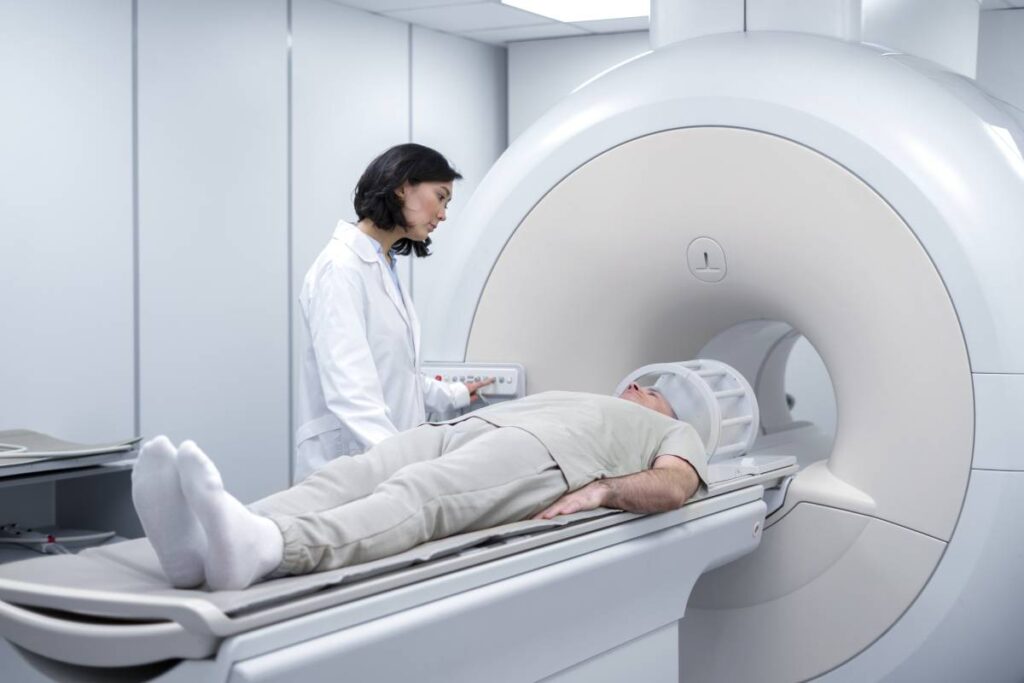
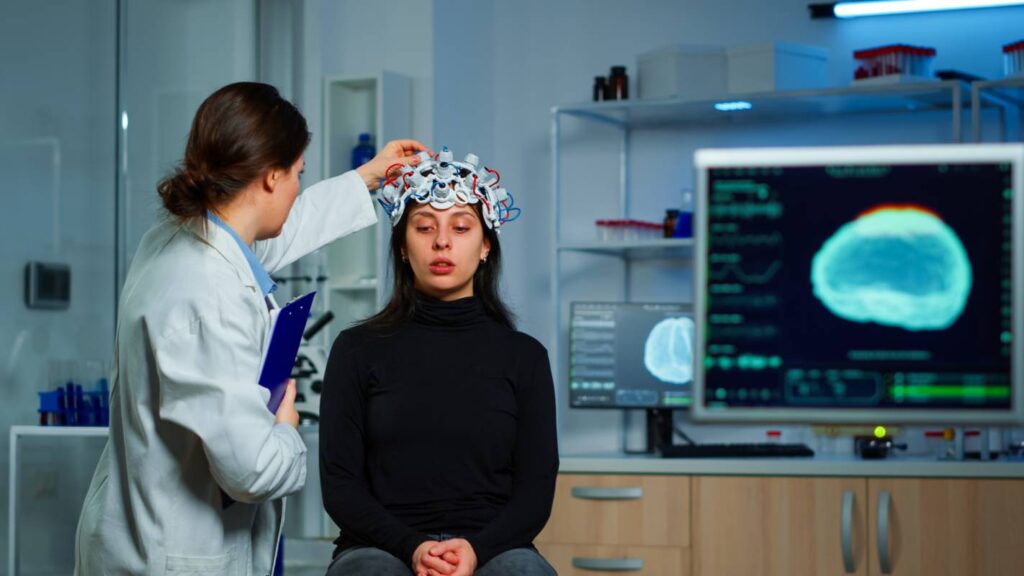
- Advanced diagnostics, including MRI, EEG, and CSF-based prion assays
- Symptom-focused care to improve comfort and daily functioning
- Clear communication to help families understand and navigate the condition
- Collaborative care with neurology and palliative teams when needed
Symptoms of Mad Cow Disease
Early Symptoms
- Personality or behavioral changes
- Anxiety, depression, or withdrawal
- Painful sensory disturbances
- Sleep changes
Neurological Symptoms
- Memory loss
- Difficulty concentrating
- Problems with balance or coordination
- Visual disturbances
Advanced Symptoms
- Severe confusion
- Difficulty walking
- Progressive cognitive decline
- Muscle stiffness or involuntary movements
Causes & Transmission
vCJD occurs when prions—abnormal, misfolded proteins—accumulate in the brain and trigger widespread nerve cell damage.
- Linked historically to consumption of beef contaminated with BSE (Mad Cow Disease).
- Cannot spread through casual contact, touching, hugging, or routine interaction.
- Extremely rare today due to strict global food safety standards.
- Not transmitted through air, water, or normal social contact.
Early Signs Need Early Action
vCJD progresses rapidly, but timely testing and expert insight can make the path clearer. SSRC is here to support you from the first symptoms onward.
Diagnosis at SSRC
Neurological examinations
Comprehensive medical history review
EEG for electrical activity patterns
Lumbar puncture for prion-specific tests like RT-QuIC
Brain MRI showing characteristic changes
Treatment & Care at SSRC
- Personalized symptom management
- Pain control and comfort care
- Mobility and balance support
- Emotional and cognitive support
- Family-centered counselling
- Coordinated care with neurology and palliative specialists



Prevention
- Consuming beef from regulated, reputable sources
- Following public health recommendations on food safety
- Practicing awareness while traveling to areas with historical outbreaks
When to Seek Medical Care
- Vision or sensory disturbances
- Rapid changes in personality or behavior
- Unexplained coordination problems
- Quickly worsening memory or cognitive function
- Neurological symptoms with no clear cause
Why Choose SSRC?
Experienced infectious disease & internal medicine specialists
Access to advanced neurological testing
Patient-centered support for complex conditions
Transparent communication with families
Focus on comfort, clarity, and dignity
Frequently Asked Questions (FAQs)
Extremely rare. Strong global food safety measures have reduced cases to very low levels worldwide.
No. vCJD is linked historically to contaminated beef exposure, while classic CJD occurs spontaneously or genetically.
No. vCJD does not spread through casual contact, breathing, sharing meals, or touch.
Behavior changes, anxiety, unusual sensory symptoms, and issues with balance or coordination.
Using MRI brain scans, EEG, spinal fluid prion tests, and neurological examinations.
No cure exists, but supportive treatment significantly improves comfort and quality of life.
Yes. Strict regulatory controls make modern beef products safe for consumption.

