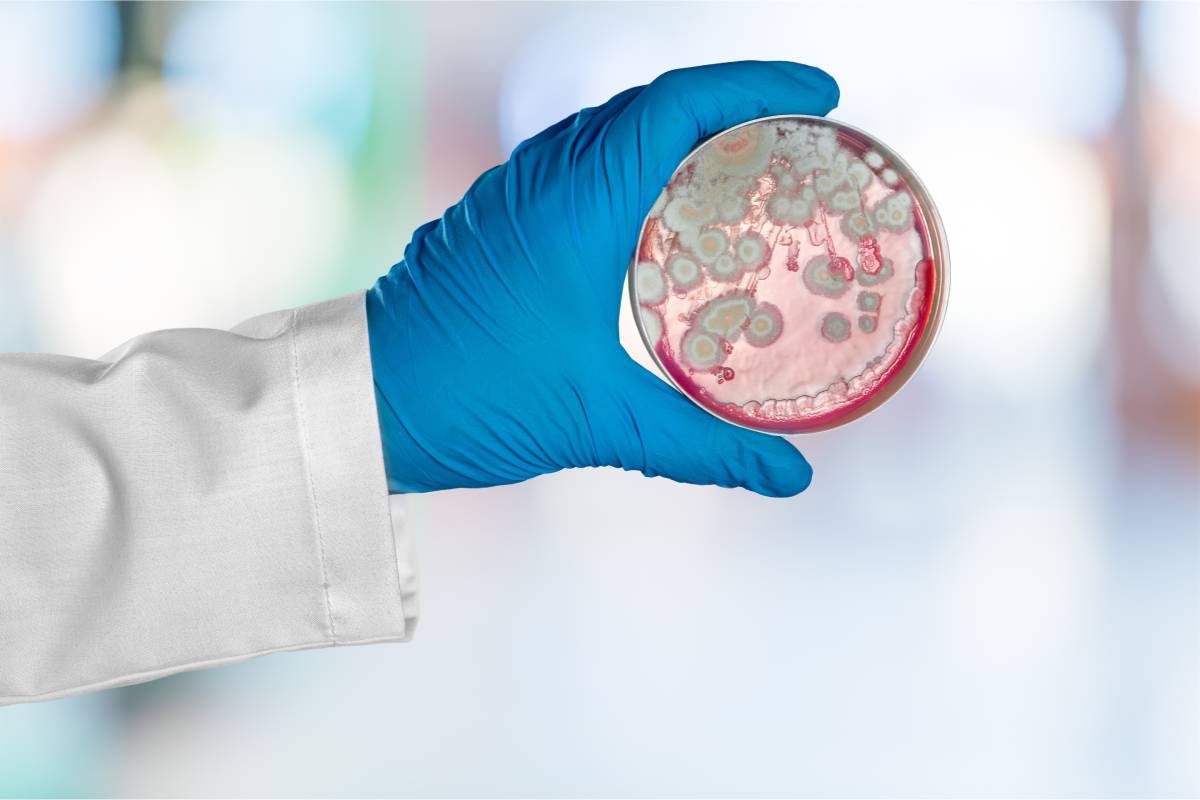
CMV is a widespread viral infection that most people carry silently. In healthy individuals, it rarely causes illness. After a transplant, however, lowered immunity can allow the virus to reactivate or newly infect the patient. In these situations, CMV can affect the blood, lungs, liver, stomach, or the transplanted organ itself — which is why specialist-led monitoring is critical.
How SSRC Helps You
SSRC’s transplant infectious disease team ensures:
Early detection using advanced viral load monitoring (CMV PCR).
Tailored antiviral treatment based on your transplant type and overall health.
Close coordination with your transplant surgeon and immunosuppression team.
Continuous follow-up, preventing complications such as organ rejection or tissue damage.
With SSRC’s expertise, CMV becomes a manageable, controlled part of post-transplant care — not a crisis.
Who Is at Risk?
CMV risk increases for:
Patients who received kidney, liver, lung, heart, or bone-marrow transplants
Individuals where the donor is CMV-positive and recipient is CMV-negative
Patients on higher doses of immunosuppressive medications
Those with recent infections or weakened immune responses
Symptoms of CMV
CMV symptoms can range from mild to severe. Common signs include:
Fever and persistent fatigue
Loss of appetite
Low white blood cell counts
Abdominal discomfort or diarrhea
Shortness of breath (lung involvement)
Visual changes (rare but serious)
Organ-specific inflammation
If ignored, CMV can progress into significant complications, especially in newly transplanted organs.
How CMV Is Diagnosed at SSRC
Your SSRC team uses detailed diagnostic tools to catch CMV early:
CMV PCR viral load testing
CMV antigen detection
Organ imaging when needed
Blood count evaluation
Endoscopic evaluation (if the gastrointestinal tract is affected)
These tests help determine whether the virus is active, rising, or requires immediate treatment.
Early CMV Care for Safe Transplant Recovery
CMV can reactivate in weakened immune states. SSRC specialists step in early to protect your organ and your health.
Treatment is tailored to the severity of infection and transplant type. SSRC may recommend:
Antiviral medications such as valganciclovir or ganciclovir
Adjustments in immunosuppressive therapy
IV antiviral therapy for severe cases
Supportive care to manage organ-specific symptoms
Our approach reduces viral load while protecting your transplanted organ and preventing further complications.
Why Choose SSRC?
SSRC brings a highly specialized, coordinated, and evidence-based approach to transplant infections. With experts like Dr. Gopika Mohan, Dr. Alka Sirohi, and a dedicated clinical team, SSRC ensures comprehensive monitoring and rapid response — safeguarding both your recovery and your transplanted organ. Every plan is individualized, keeping your safety and long-term health at the center.
 Call for Appointment
 Jubilee Hills, Hyderabad, Telangana 500033
 Opening Hours: 9.00 am - 06.00 pm (Mon - Sat)